
KOJI TASHIRO / STORY
A record of where the journey stands today
The story is still being written.
Koji Tashiro carried what he learned at Higashi-Ikebukuro Taishoken beyond the taste of a single bowl, passing it from person to person. This is not a completed success story. It continues as each new generation learns to raise the next.

A shop can be built again. When people remain, the road continues.
Koji Tashiro / Chairman Kazuo Yamagishi
PROLOGUE / ON THE WAY
Look beyond the results to what has been passed on.
Not a story about a successful man. A story about leaving people behind.
The name Koji Tashiro is often followed by the names of independent owners, including Chukasoba Tomita, Menya Itto, and Mendokoro Honda. Yet this story is not about store counts or rankings. It belongs to the people who were given an opportunity and turned it into a future through their own work.
What Tashiro learned from Chairman Yamagishi went beyond preserving a recipe: care for guests, never forget a debt of gratitude, and help disciples travel farther than you did. Tashiro translated those lessons into the concrete act of entrusting people with shops.
PATH / TIMELINE
BEGINNING
Higashi-Ikebukuro Taishoken
He trained under Chairman Kazuo Yamagishi and encountered both the craft of tsukemen and a way of welcoming people.
FIRST SHOP
A first shop in Sanuki
After training, he opened his first shop in Sanuki, Ibaraki. One kitchen became the beginning of a much wider lineage.
EXPANSION
Growth across northern Kanto
As shops opened in Ushiku, Arakawaoki, and beyond, developing people who could lead each kitchen became central.
NEXT GENERATION
Disciples build their own names
Aspiring owners were entrusted with real shops and given a path to buy them and become independent once they succeeded.
BEYOND JAPAN
MENKIZUNA crosses borders
The work of passing on craft and developing people reached new communities in Singapore, Thailand, Malaysia, and elsewhere.
TODAY
Still on the way
The goal does not end with a disciple's success. It is a three-generation succession in which that disciple raises someone new.
ENCOUNTER
STORY / 01
Beyond the bowl, there was a person.
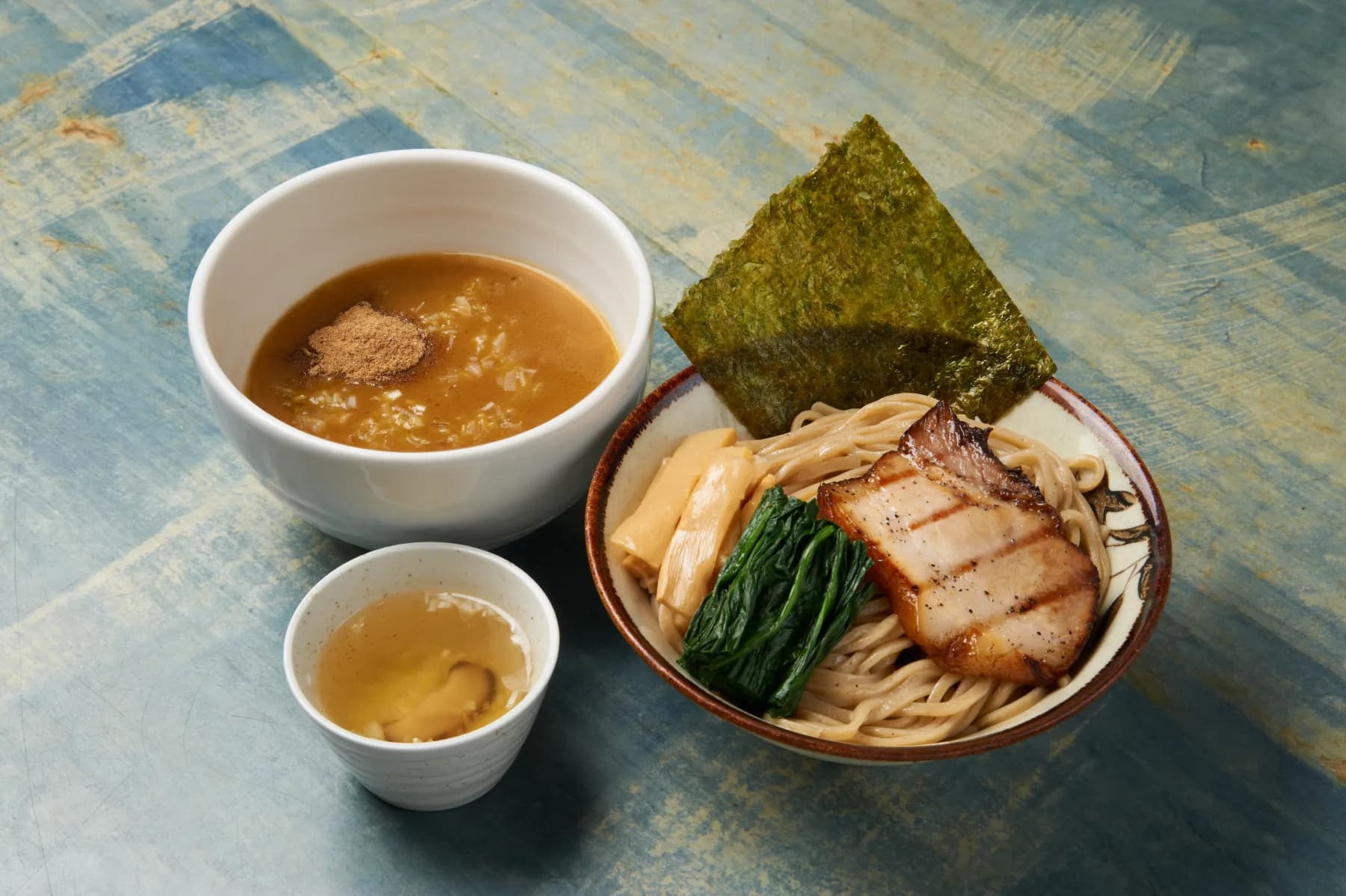
People queued at Higashi-Ikebukuro Taishoken for tsukemen, but they were not coming for flavor alone. A bowl served by Chairman Yamagishi carried the trust and warmth he had built with his guests over many years.
Up close, Tashiro saw a man devoted to making people happy before he saw a celebrated chef. Technique can be taught, but the question of whom you cook for is learned from daily conduct. That became the origin of his own work with people.
The memory of a flavor remains together with the memory of a person.
FOUNDING
STORY / 02
The road began with one shop in Sanuki.
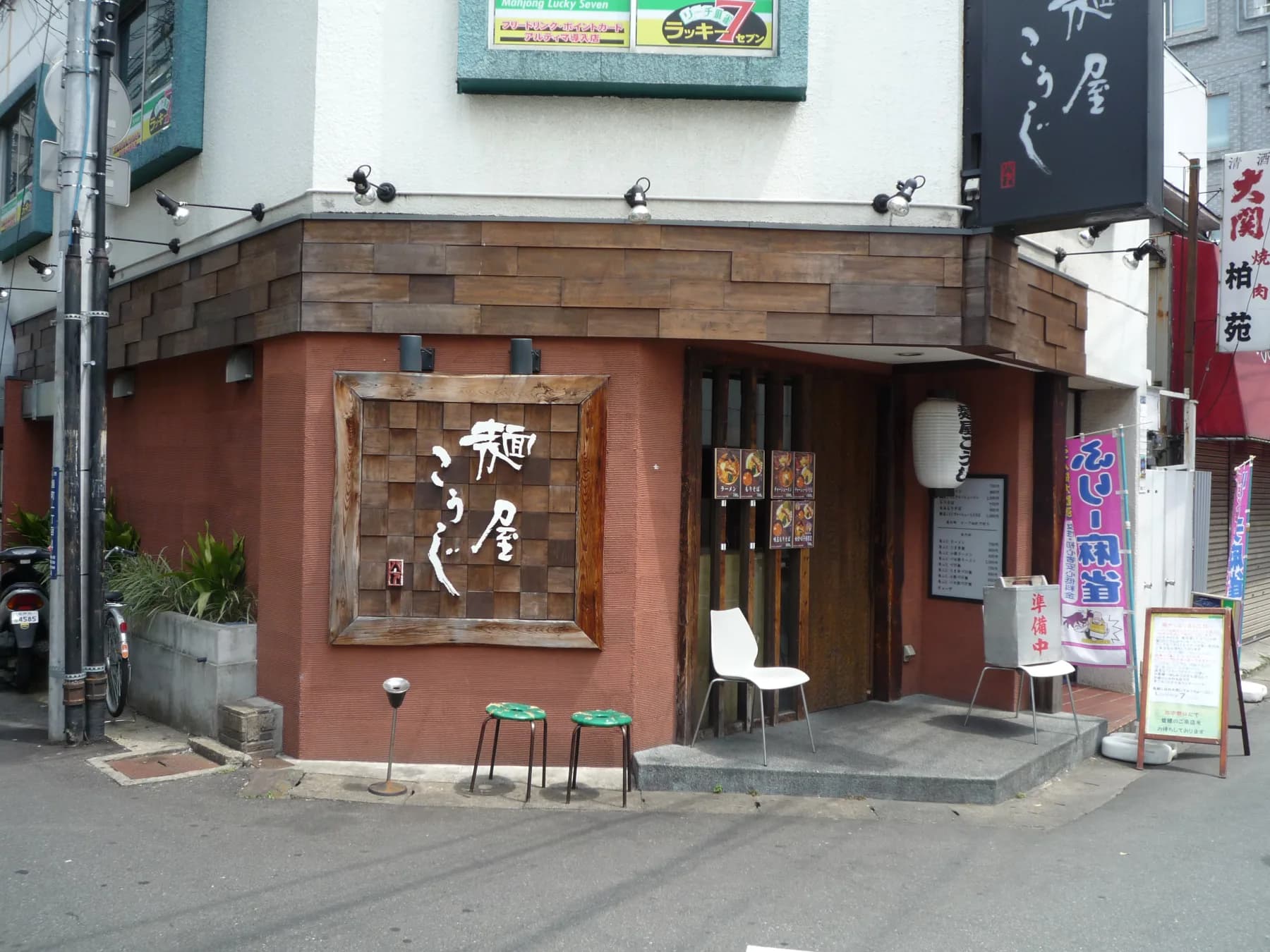
After training at Higashi-Ikebukuro Taishoken, Tashiro opened his first shop in Sanuki, Ibaraki. There was no large group at the start—only the repeated work of preparing one bowl, welcoming one guest, and returning the next day to do it again.
As shops spread to Ushiku, Arakawaoki, and other cities, one person could no longer carry everything. The need was not for people who merely repeated tasks, but for people able to think, decide, and carry a shop themselves.
Even a large story begins with one small shop.
TRUST
STORY / 03
Do more than teach. Entrust the whole shop.
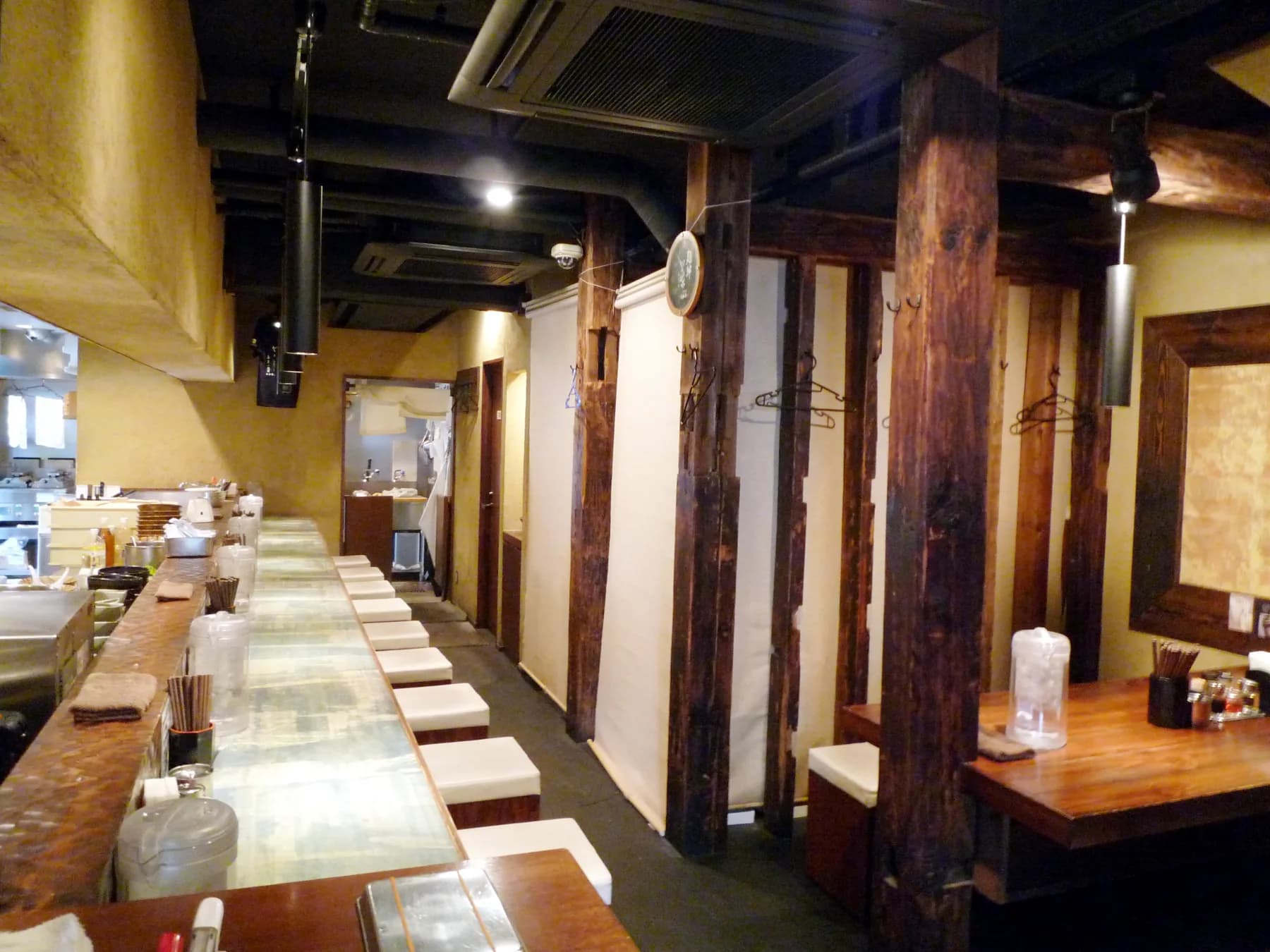
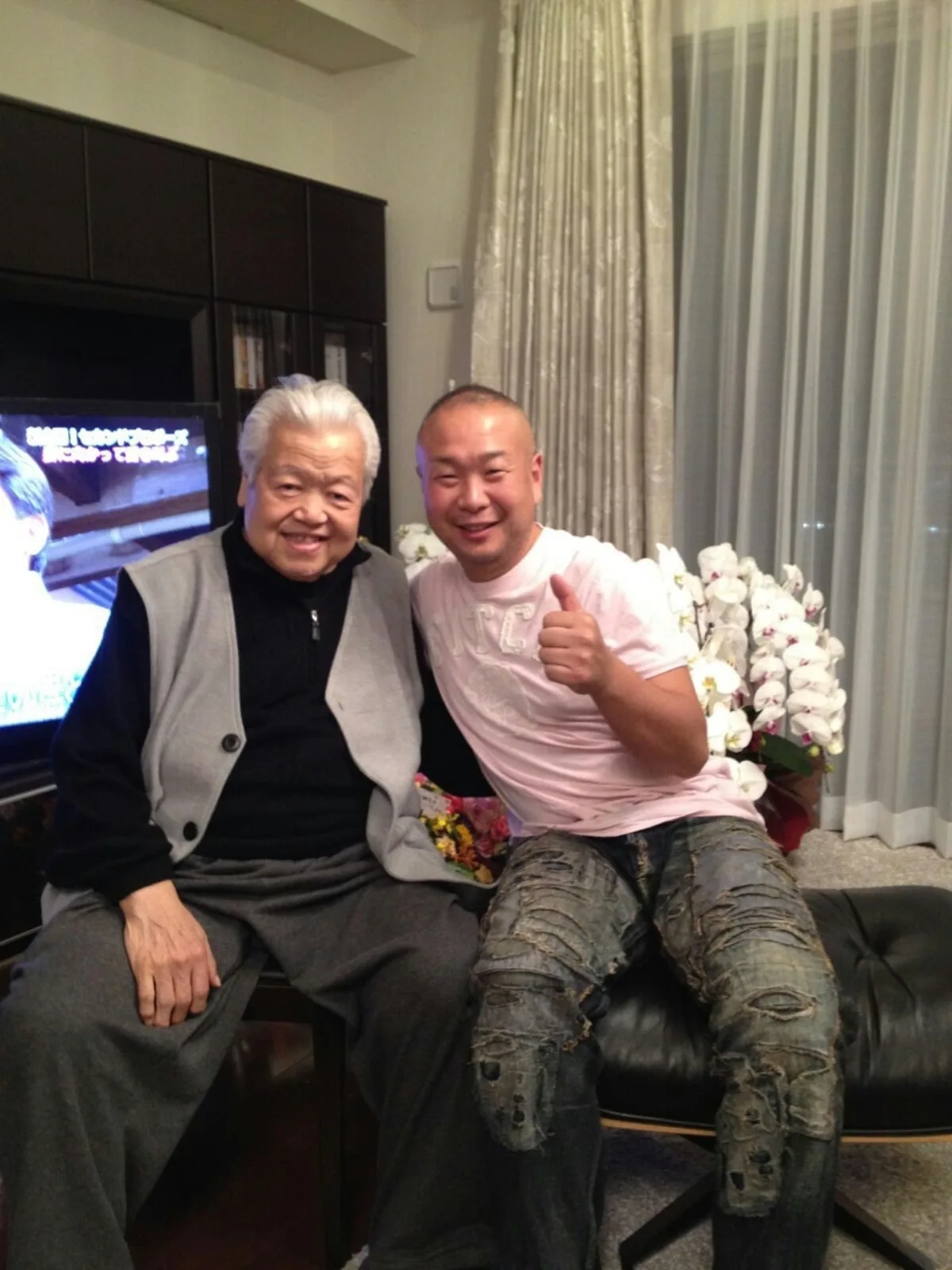
Menya Koji Group developed a path that entrusted aspiring owners with an operating shop. Tashiro found the property and handed over responsibility as manager. If the shop prospered, the manager could buy it and become independent.
Entrusting someone also exposes the mentor to risk, but no owner grows without carrying responsibility. Rather than supplying every answer, Tashiro offered a place to make decisions—a method intended not to keep disciples close, but to help them stand alone.
Trust also means handing over responsibility.
INDEPENDENCE
STORY / 04
A disciple's success is not the mentor's trophy.
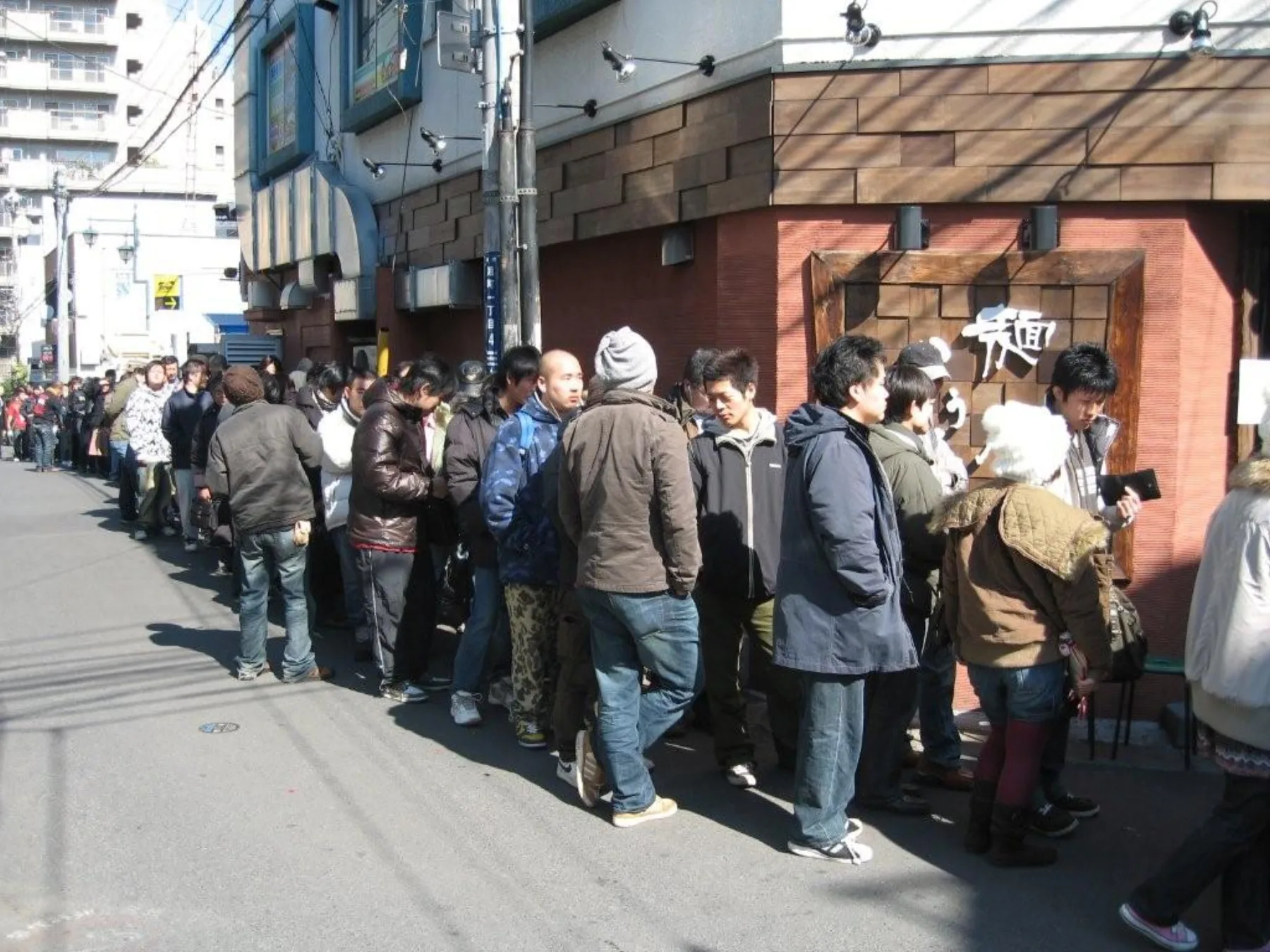
Osamu Tomita trained under Tashiro and opened Chukasoba Tomita in 2006. Yukihiko Sakamoto built Menya Itto, while Yuki Honda opened Mendokoro Honda at the age of 21. Each developed a distinct shop and became widely known in the ramen world.
Their achievements cannot be claimed as Tashiro's alone. Their persistence and daily work made their shops what they are. His role was to create room for a challenge and give a timely push—then stand where he could celebrate when they surpassed him.
Surpassing a mentor can become a form of gratitude.
LINEAGE
STORY / 05
Connected by purpose, not by one signboard.
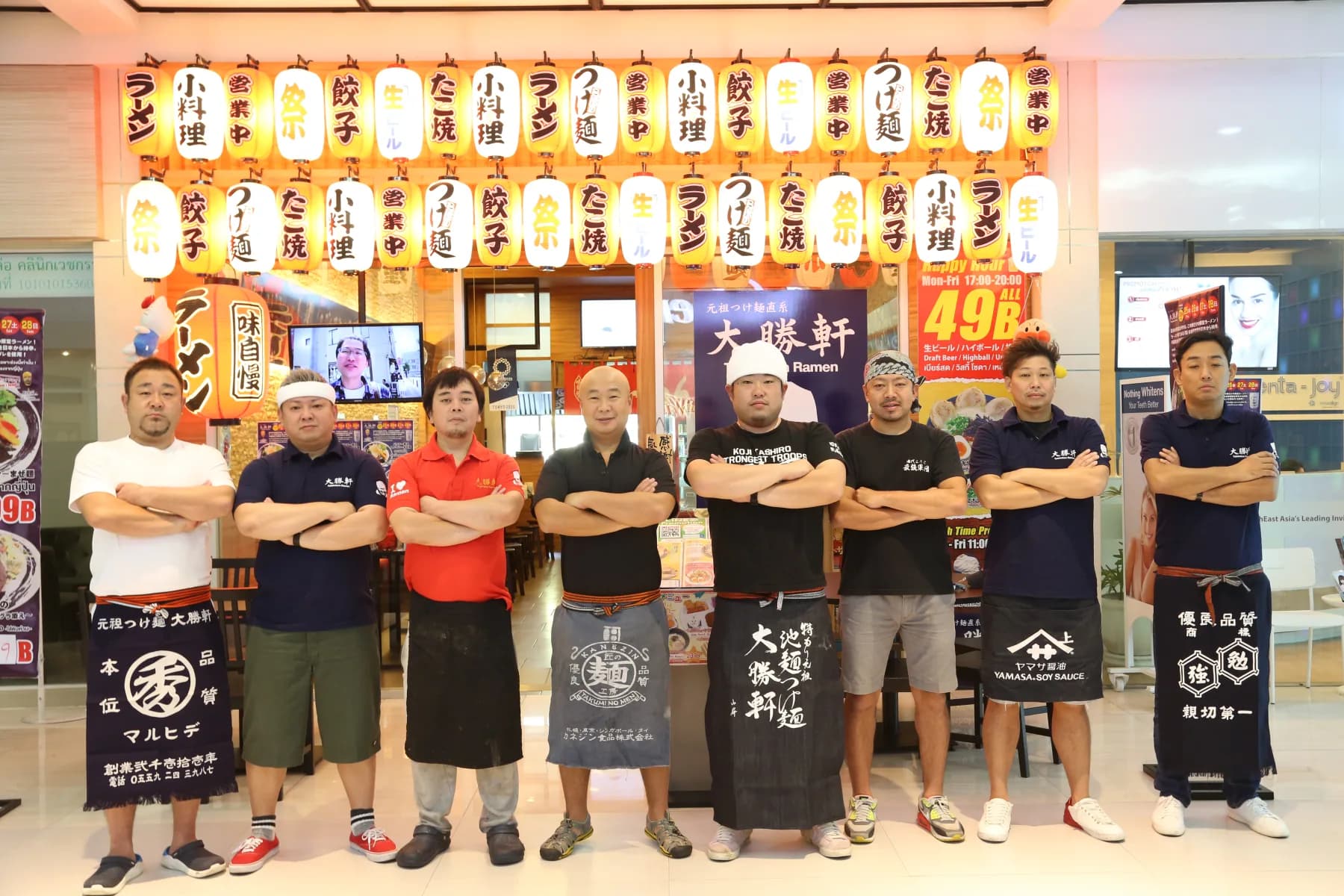
The Menya Koji lineage does not require every shop to carry the same name. The region, flavor, and signboard can all be different. What matters is that the person in each kitchen watches local guests and thinks independently.
What is shared is not a surface formula, but an attitude: remember those who helped you, keep promises, develop people, and pass an opportunity onward. Different names can still share the same roots.
Inherit the purpose, not merely the signboard.
WORLD
STORY / 06
When the place changes, the bowl may change too.
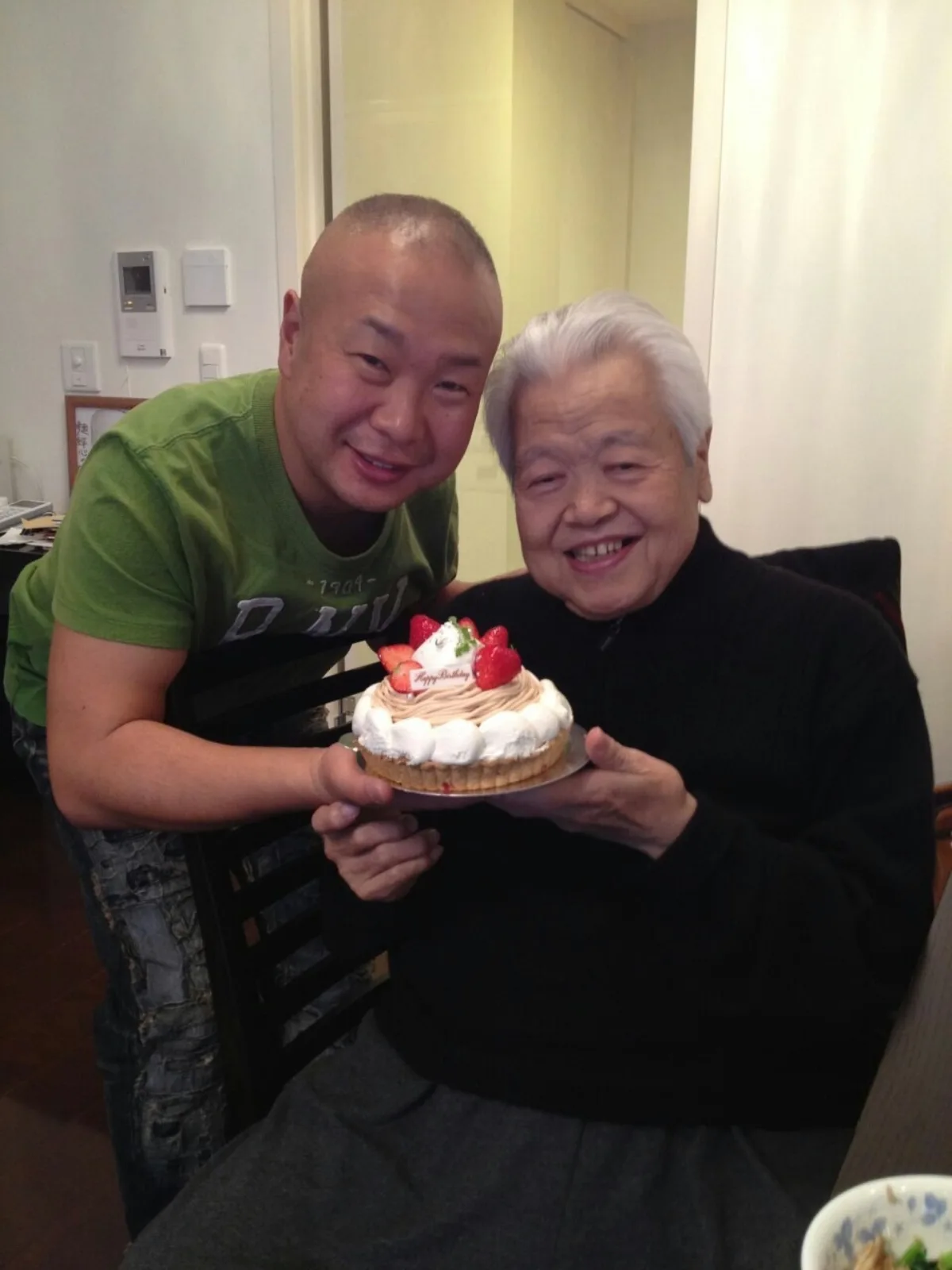
Ramen grew in Japan, but the lives of the people receiving it differ from country to country. Tashiro's journey has expanded beyond Japan into Asian cities in Singapore, Thailand, Malaysia, and beyond.
The task is not to impose a Japanese form unchanged, but to build a place local people will return to. Choosing what to preserve and what to adapt asks how Chairman Yamagishi's ideal of a shop loved across three generations can live within another culture.
Succession is not the repetition of a fixed shape.
WHERE WE ARE
STORY / 07
One generation does not make a culture.
If one owner succeeds, the story may end with that generation. Tashiro looks beyond it: a disciple he supported raises another disciple, and that next generation finds an independent path. Personal experience becomes culture only when it keeps moving through people.
That is why store counts and awards cannot close this story. There are people not yet met, shops not yet born, and countries not yet reached. The closer the work comes to completion, the next responsibility becomes visible.
Not a finish line, but a place from which to pass the work onward.

MASTER / DISCIPLES
What remained was not one flavor, but people.
Shops born from the lineage make different bowls. What they share is the act of turning entrusted opportunity into personal responsibility, then passing work to a new generation.
- Osamu Tomita / Chukasoba Tomita
- Yukihiko Sakamoto / Menya Itto
- Yuki Honda / Mendokoro Honda
WHAT REMAINS
How do we cultivate something that outlives a shop?
人
Put people at the center
People create flavor, sustain a shop, and build relationships that bring guests back. Human trust must be developed with the same care as technique.
任
Entrust, then set free
Do not confine disciples to one mold. Give them a shop and responsibility, and develop both the freedom to decide and the resolve to carry the result.
継
Think beyond the next generation
Do not stop with your own success or that of your direct disciples. When the teaching reaches another generation, work begins to become culture.
TO BE CONTINUED
It is unfinished. So the journey continues.
The story of Koji Tashiro has no final line yet. He meets new people, entrusts shops, crosses borders, and begins again after failure. Each time, the meaning of what he received from Chairman Yamagishi deepens.
The aim is not to preserve his own name, but a path on which people raise other people. Somewhere today, another bowl and another future owner are taking shape in a kitchen. Their stories will keep adding new pages to this one.